

Managing blood sugar levels is crucial for individuals with diabetes, and understanding the role of pharmacology, particularly pills that aid in maintaining healthy sugar control, is essential. DiabetesMealInfo provides practical food information, focusing on meal choices that positively impact blood sugar levels. This article will delve into how pills can support sugar control, including whether is honey bad for diabetes and the importance of portion management in diet planning.
Why pharmacology matters in support for healthy sugar control
Pharmacology plays a vital role in diabetes management, as it offers various medications that help regulate blood glucose levels. These pills assist the body in either increasing insulin production, improving insulin sensitivity, or delaying carbohydrate absorption. By understanding these mechanisms, individuals can make better-informed decisions regarding their treatment and dietary choices. In conjunction with a balanced diet, these medications can significantly enhance blood sugar control, leading to better overall health outcomes.
Moreover, it’s essential to recognize that the effectiveness of these medications can be influenced by dietary habits and portion control. Combining pharmacology with appropriate meal choices helps ensure an effective diabetes management strategy, allowing individuals to enjoy a varied diet while keeping their blood sugar levels stable.
How to incorporate pills into your diabetes management plan
Utilizing pills effectively as part of your diabetes management requires a systematic approach. Below are steps to help integrate pharmacological support with your dietary plan:
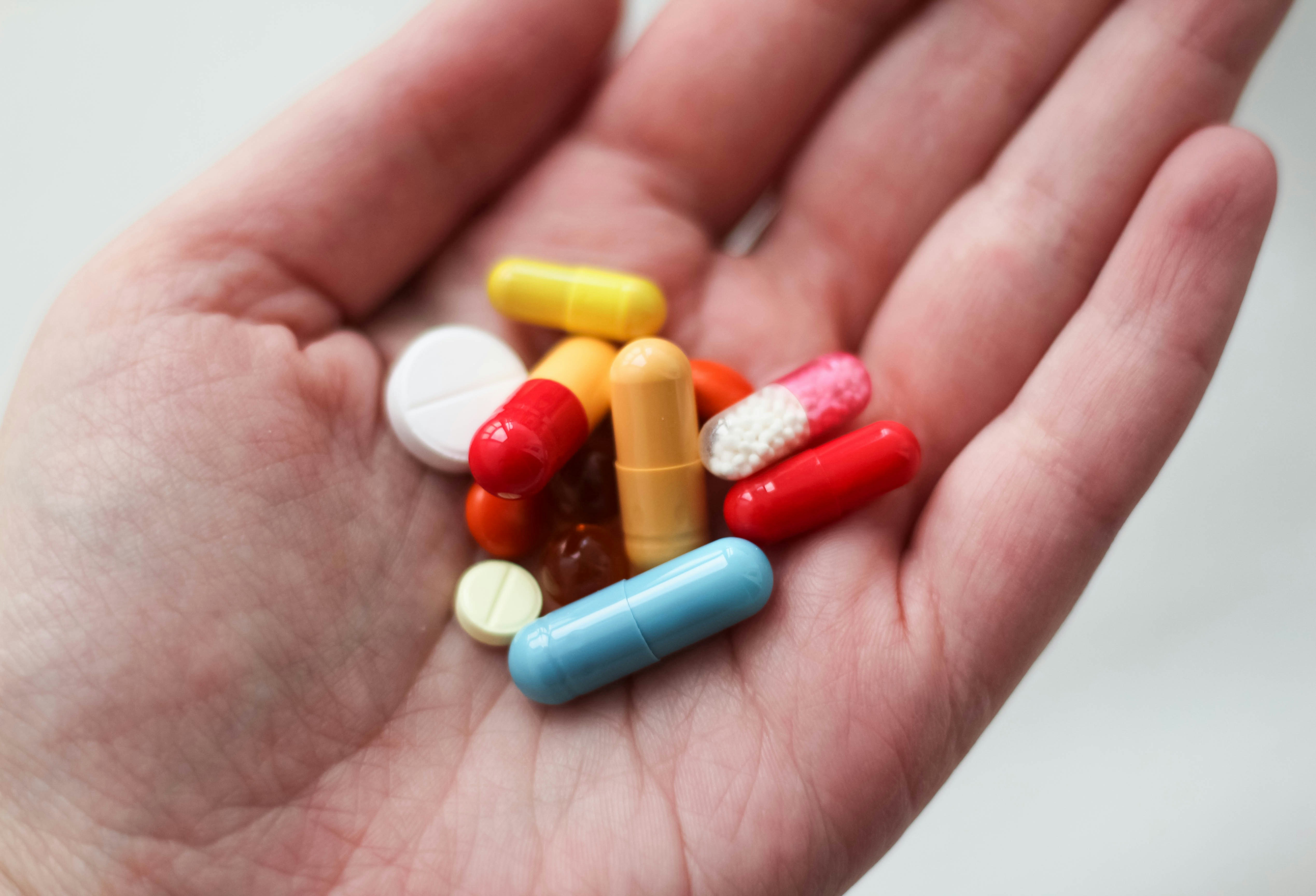
- Consult a Healthcare Professional: Always discuss with your doctor before starting any medication to ensure it is suitable for your specific condition.
- Understand Your Medication: Familiarize yourself with how your prescribed medication works and its effects on blood sugar levels.
- Monitor Your Blood Sugar: Regularly check your glucose levels to determine how well your medication is working alongside your diet.
- Plan Balanced Meals: Incorporate diabetes-friendly foods and maintain appropriate portion sizes to optimize the effectiveness of your medication.
- Stay Hydrated: Drink plenty of water to help your body process medications and maintain overall health.
- Improved compliance with a structured plan.
- Better understanding of medication effects on blood sugar.
- Proactive management of potential side effects.
Practical tips for managing portion control
Portion control is a fundamental aspect of managing blood sugar levels, especially when combined with pharmacological support. By understanding serving sizes and nutritional content, individuals can maintain stable glucose levels and reduce the risk of spikes. Here’s how you can effectively manage your portions:
Firstly, using smaller plates can help psychologically, making it easier to control the amount of food consumed. Secondly, paying attention to serving sizes listed on food packaging can prevent overeating, especially with high-calorie or carbohydrate-rich foods. Thirdly, preparing meals in advance allows for better control over ingredients and portion sizes, promoting healthier eating habits. Additionally, focusing on whole foods such as vegetables, whole grains, lean proteins, and healthy fats can aid in keeping blood levels steady.
- Utilize measuring cups and food scales for accuracy.
- Be mindful of hidden sugars in sauces and dressings.
- Incorporate more fiber-rich foods to enhance satiety.
Key benefits of combining pharmacology with portion control
Integrating medication with proper portion management offers various benefits, significantly impacting diabetes management. By understanding the interplay between pills and dietary choices, individuals can enjoy improved health outcomes. Some of the key advantages include:

- Enhanced blood sugar control leading to better diabetes management.
- Reduced risk of complications associated with uncontrolled diabetes.
- Increased confidence in making food choices.
- More balanced nutritional intake through thoughtful meal planning.
Trust and security in your diabetes management strategy
When considering pharmacological options, trust and security are fundamental. It’s crucial to only obtain medications from licensed pharmacies and to adhere to prescribed guidelines to ensure safety and effectiveness. Always keep an open line of communication with healthcare providers to discuss any concerns regarding medication side effects or dietary impacts.
Furthermore, maintaining an organized medication schedule can enhance adherence and effectiveness. Using tools like pill organizers or reminder apps can significantly reduce the risk of missed doses, ensuring that your diabetes management plan remains balanced and effective.
Why choose a comprehensive approach to diabetes management
Combining the use of pharmacology with effective portion control and meal planning is the cornerstone of successful diabetes management. This holistic approach ensures that individuals are not only managing their blood sugar levels with medication but also making informed dietary choices that support long-term health. By focusing on these interconnected aspects, individuals with diabetes can enjoy a better quality of life, reducing complications and embracing a more fulfilling lifestyle.
Ultimately, informed decision-making regarding both medication and food choices is essential. By utilizing resources like DiabetesMealInfo, individuals can access a wealth of information leading to better meal planning and sugar management strategies tailored to their needs.